Policy Recommendations

To point the way toward overcoming hunger, GHI reports have long recommended policy actions backed by evidence. Now, after 20 years of tracking hunger through the GHI, it is useful to look back at past policy recommendations to see what enduring lessons can offer guidance going forward.

These recommendations highlight that climate, nutrition, and food systems policies should be guided by human rights obligations and international law, emphasizing the principles of equity and justice.
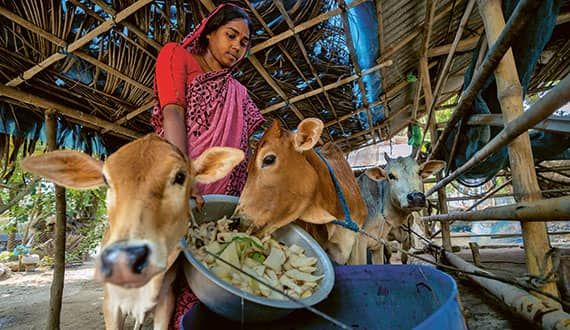
These recommendations highlight that climate, nutrition, and food systems policies should be guided by human rights obligations and international law, emphasizing the principles of equity and justice.

These recommendations highlight the interest of youth in shaping their future as well as their right to do so. Generational and gender justice must underpin equitable, sustainable, and resilient food systems that fulfill the right to adequate food for current and future generations.
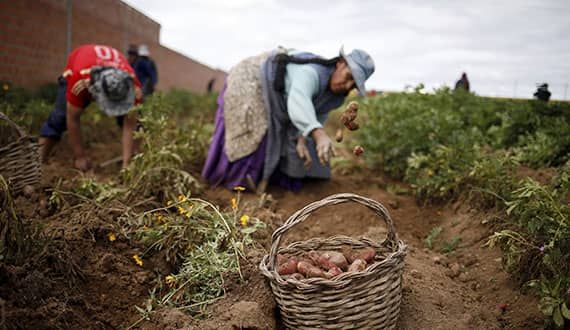
These recommendations highlight the need to respond to current emergencies while also transforming food systems so they are more equitable, inclusive, sustainable, and resilient—and thus are able to avert future crises.

Integrating a peace-building lens into the creation of resilient food systems and a food security lens into peace building can help advance both sustainable food and nutrition security and durable peace.

To ensure the right to adequate and nutritious food for all and to end hunger by 2030, we must not only reshape our food systems to become fair, healthy, resilient, and environmentally friendly but also integrate them into a broader political effort to maximize the health of humans, animals, and our planet.